A first class Awards Ceremony held at the Pavillion in Broadstairs, after the screening of THE FIRST FILM followed by a fascinating Q&A with Director David Wilkinson to celebrate the tenth Anniversary of its release.
Anchor – Dominic Grant Award for Best of the Festival INVINCIBLE by Emma Croft – UK
Brenda Blethyn Award for Best First Feature CARVED BY THE WIND by Layla Triqui – Morocco
Best Narrative Feature MIDDLE by Maxime Pothérat – France
Special Narrative Feature Commendation THE COLOUR OF EXILE by Azlarabe Alaoui – Ivory Coast / Morocco
Best Actor ROMANNI VILLICAÑA for Beings – Mexico
Best Actress SAMANTHA SEAGER for Invincible – UK
Special Commendation for Ensemble Cast MIDDLE – France
Best Documentary Feature CINEMA KAWAKEB by Mahmoud al Massad
Special Documentary Feature Film Commendation A DAIRY STORY by Ian Findlay
Best Experimental Feature APPOLOGY by Marco von Moos – Switzerland
Best World Short FULL METAL BASKET by by Pablo Bodin, Lucie Cabon and Lou Lemoine – France
Special World Short Film Commendation WE HAVE SINNED BEFORE YOU by Ifat Nener Orgad – Israel
Special World Short Film Commendation DAY 21 by Dashiell Meyer – USA
Best UK Short THE PEARL COMB by Ali Cook
Best Local Short BLACK TIME by Sharon Axcel
Best Music Video CAMENS – SLEEP PATTERNS REPEATING by Thomas Jackson
Best Documentary Short CLEMENT GASA by Daniel Bayle
Best Experimental Short HIDDEN TIME by Giovanni Soldi
Best Animation Short OVARY ACTING by Michelle Brøndum
Special Animation Short Commendation for its Art Direction THE WEDDING VEIL OF THE PROUD PRINCESS by Anna-Ester Volozh
Special Animation Short Commendation for the writing WAVELENGTH by Benjamin Verrall
List of the winners of the WIIIth Ramsgate International Film Festival
After six days of an exceptional edition, the winners were announced by Deputy Festival Director, John Whitaker. They were decided by the Jury composed of the Festival’s Patron, Brenda Blethyn, who chooses the winner of the Best First Time Director of a Feature Film, actress and writer Claire-Elizabeth Terry, producer Michael Alden, director, writer and producer Sasha Bennett, actress Baz Russell, documentary director Dan Blackwell, author Harrison Hickman, director Peter Lyden, French producer Véronique Siegel, digital content producer Revell Dixon, filmmaker and photographer Alžbeta Bulíková, artist Sequin Kay, actress and filmmaker Francesca Jex, TV, American television producer, director and screenwriter Stan Zimmerman.
Feature Films
Dominic Grant Anchor MOTHER VALLEY
by Carlos Chahine
“I’m not saying what happens but it kept me riveted for the entire run time and made me wonder when, not if, Hollywood was going to try and turn it into a blockbuster.” Unseen Cinema, with ‘Out of Competition’ Beyond the Raging Sea
Beyond the Raging Sea is an action-adventure documentary about extraordinary journeys, harrowing ordeals and transformational discoveries. Omar Samra climbed the highest peak on every continent, was the first Egyptian to climb to the top of Mount Everest, skied to both poles but he needed a new challenge.
Omar Nour, Egypt’s first professional tri-athlete was training his Olympic debut at the Rio Olympic Games in 2016, when injury struck and ended his bid.
Samra called Nour with a life-changing idea – “how about we row the Atlantic Ocean?” WIthin a matter of hours, the two were registered to compete in the world’s toughest rowing race: a 3,000 nautical mile unsupported row across the mighty Atlantic Ocean in a 7m x 1.8m rowing boat. After two years of intense training, Team O2 (as they are affectionately known) headed West from the Canary Islands towards Antigua, dedicating their high-profile endeavour to the plight of refugees worldwide forced to cross dangerous bodies of water to find safe refuge.
Although the duo was prepared for the perilous crossing, the raging ocean waters and hard conditions had a different opinion, turning their adventure into a disaster that almost took their own life.
Screening
30 June 2024 at 18.00
RAMSGATE COMMUNITY CINEMA
64 High Street Ramsgate CT11 9RS
Ticketswww.ramsgateiffest.orgBEYOND THE RAGING SEA (cert PG)
A film directed by Marco Orsini (2018 – 70 mins)
With Omar Samra and Omar Nour
Synopsis
The gripping account of two athletes who embark on the World’s Toughest Row— 3,000 miles across the Atlantic— takes a harrowing turn, mirroring the ordeal of displaced persons crossing dangerous seas.
A collaboration between IEFTA, DHL, UNHCR and UNDP
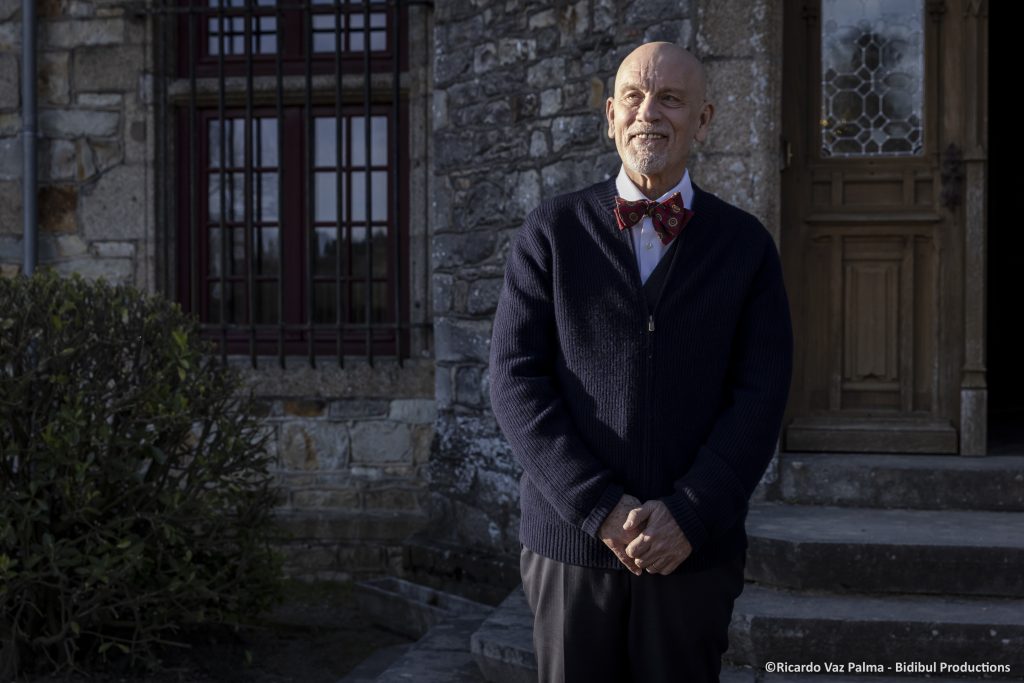
Mr. Blake at your service! (Complètement cramé) with John Malkovich in the lead, is Gilles Legardinier’s directing début. It will open the forthcoming Ramsgate International Film Festival and be presented ‘Out of Competition’ as a UK Première.
Gilles Legardinier is better known as a prolific French writer, who penned several best-selling novels. His 2009 novel, L’exil des anges, received the 2010 Prix SNCF du polar. His 2011 novel, Demain j’arrête!, was a best-seller. By 2014, he was the third best-selling author in France after Guillaume Musso and Marc Levy, having sold 1.9 million books. His work has been translated into 20 languages.
In French, with English subtitles, the film stars two veterans of the international film world, John Malkovich, showing off his fluency in the language and Fanny Ardant, a French actress and film director with numerous accolades, including two César Awards and a Lumières Award. Fluent in English and Italian, Ardant has starred in several Hollywood and British films. One of her English-language films was the Franco Zeffirelli production Callas Forever, in which she portrayed opera diva, Maria Callas. The film opened the 14th Annual Palm Springs International Film Festival. Ardant also directed the opera Lady Macbeth of Mtsensk at the Greek National Opera.
Entrepreneur Andrew Blake (John Malkovich) decides on a trip to the place in France, where he met his late wife, to reconnect with old memories. Due to a quid pro quo he’s soon hired as a butler in a French castle where he meets the landlady, Nathalie Beauvilliers (Fanny Ardant), who can no longer afford to maintain the property. Mr. Blake begins to turn the life of the estate around.
Mr. Blake at Your Service is a thoroughly enjoyable piece, and will be screened at The Palace Cinema, Broadstairs, to launch the VIIIth Ramsgate International Film festival. The screening will be followed by a gala reception at the nearby Royal Albion Hotel, where each attendee will receive a free drink.
Screening 25 June 2024 at 18.00 Palace Cinema Harbour St, Broadstairs CT10 1ET
A film directed by Gilles Legardinier (2023 – 1h 40m) With John Malkovich, Fanny Ardant, Emily Dequenne and Philippe Bas.
Synopsis A widowed British businessman takes the job as a butler of a manor house in France to keep the memories of his late French wife. His life takes a turn as he navigates the eccentric behaviour of the lady of the manor and the household staff.
Production Bidibul Productions Sales Representative France TV Distribution
The full selection is in, 11 features, 53 shorts, 11 countries
FEATURES: – A LIFE ON THE FARM (UK) by Oscar Harding – ESTATE OF MIND (UK) by Drew Cox – LOREN & ROSE (USA) by Russell Brown – MAROON AWAKENING (UK) by Musaab Mustafa – MY DAUGHTER (South Korea) by Sang Yeol Choi – ON THE LINE (UK) by Oliver Pearn – OPAL (France) by Alain Bidard – PASSING THROUGH (UK) by David Walter Hall – PIERRE ET JEANNE (France) by Clémentine Célarié – THE BALLAD OF BESSIE MAE (Netherlands) by Oliver Guy-Watkins – TYGER (UK) by Alexander Milo Bishof
SHORTS:
– ANABELLE’S AERODYNAMIC CAR (UK) by Philip Carr and Moira E. Rowan – AQUEOUS HUMOUR – A BAND FROM RATCLIFFE (UK) by Adam Irving – A RISKY BUSINESS (UK) by Alex Hanly – BALL-PIT. WEDNESDAY. LEMONADE (UK) by Daniel Howard-Baker – BUT I LIKED HIM (Iran) by Asal Gharib – CANDLELIGHT (UK) by Scott Newton – CHILDREN OF WILD ORCHID (Iran) by Farshad Mohammadi – CHIMERA (US) by Andrew Lee Ryan – CLOWNING AROUND (UK) by Robert Brown – FORGET ME NOT (Canada) by Naomi Grim Borja – FRIENDLY FIRE (Israel) by Tom Koryto Blumen – FULL MOON (US ) by John Vo, Ken Yoffe, Ellen Weisberg – FULU MIZIKI (UK) by Bea Belizca – GOOD GRIEF (UK) by Robert Sharp – HAROLD & MARY (UK) by Stephen Gallacher – INTERVIEW WITH A GHOST (UK) by David Ivell – INTRUDER (China) by Liu Zhiqi, Peng Ziqi – INVISIBLE (UK) by Steve Downey – I WON’T REMAIN ALONE (Iran) by Yaser Talebi – LAST SHOW IN RAMSGATE (UK) by Joanne Postlewaite – LIVING IN THE AIR (UK) by Kurt Ma – LULLABY (Kazakhstan) Dilshat Rakhmatullin – MIDDLE WATCH (UK) by John Stevenson, Aiesha Penwarden – MUSHKILE (Israel) Kami Shefer – NASA (UK) by Kit Griffiths – NEVER MIND THE GAP (UK) by Jacqueline Katherina Petsch, Steve Roberts – NEXTING (Greece) by Karina Logotheti – O (Germany) by Dominik Balkow – OLIVE PLANET (Germany) by Shehab Fatoum – PARIS-BRUXELLES (France) by Marjorie Lhomme – PLEASE! (Belarus) by Aliaksandra Markava – PRAZINBURK RIDGE (UK) by Martin Bell – PRIVATE VIEW (UK) by Sarah Myland – SILENCE 1b (UK) by Rollo Hollins – SIMULATION (South Korea) by Jungkyun Shin – STEPPING STONES (UK) by Funkẹ Alafiatayọ – THE BODY WITH NO FACE (UK) by Owen Tooth – THE BOY WHO PORTRAYED MONSTERS (Spain) by Victor Izquierdo, Pablo Sanchez – THE EXCHANGE (Israel) by Nimrod Raif – THE FOUNDLING (UK) Cam Howe, Sam Briggs – THE LIFE AND TIMES OF SCHRODINGER’S CAT: A QUANTUM TALE OF LOVE AND ENTANGLEMENT (US) by Ron Noble – THE MOON FOLLOWED ME TO FALMOUTH (UK) by Joel Gibbs – TIME (UK) by James Pearce – WALLS BENEATH OUR FEET (Finland) by Antti Suniala – XAR – OBSIDIAN DREAM (Brazil) by Fernando Pereira dos Santos, Edgar Calel
WEB SERIES / TV PILOTS
– FOUR WALLS (SOUTH AFRICA) by Kgosana Monchusi, Menzi Mzimela, Juvaiś Dunn – LEAR ALONE (UK) by Anthony Shrubsall – MORSE CODE (USA) by Travis Nicholson – PRAY IN LOVE (TAIWAN) by Maxine Hsieh – WHAT REMAINS OF EMILY (USA) by Mya-Breyana Morton
The Ramsgate International Film & TV Festival is back. In seven years, it has accomplished its goal to be the biggest of its kind in the South East and has now had interruptions during the COVID pandemic.
Four days of screenings and special events will take place in various venues across town.
The Opening Gala, which will take place at the Palace Cinema in Broadstairs, features the UK Premiere of the new Jacqueline Bisset film, LOREN & ROSE, directed by Russell Brown.
Friday will see the popular screening event of Kent’s best work followed by a special networking eveving in partnership with Kent Film Makers, animated by rapper Morrison Ford and his band. The night is bound to be packed. This year the feature film ESTATE OF MIND, a visceral, hard-hitting piece from Drew Cox, a filmmaker based in Westage-on-sea, on mental health and drug addiction will start the evening.
The festival will close with the UK Premiere of the amazing film PIERRE ET JEANNE, the first outing behind the camera by accomplished award winning French actress Clémentine Célarié. The screening will be followed by a Q&A with Clémentine and the Producer, Matthieu Rubin.
Countries represented this year will also include South Korea with the remarkable feature MY DAUGHTER about the topical subject of Artificial Intelligence mixed with loss, bereavement, and mental health. Korean nationals will no doubt recognize leading cast members Park Sung-hoon and Jeon So-min, who won the South Korea TV BAFTA equivalent for the film.
A pléthore of work from new and returning directors will entertain the festival goers. Previous alumni Alexander Milo Bischof, who previously won Best Screenplay in Ramsgate for his first film, TROUBLE WILL FIND US has come back with his new picture, TYGER.
Documentary fans will no doubt appreciate the selection with THE BALLAD OF BESSIE MAE, from other Ramsgate alumni, Oliver Guy-Watkins, who showed WHO’S JAMES PAYTON? during the COVID online edition.
A total of 11 Feature Films and 65 shorts films in four categories, narrative, documentary, animation and experimental from the five continents. The festival can confirm attendance of many directors, who will conduct Q&A following the screening of their film.
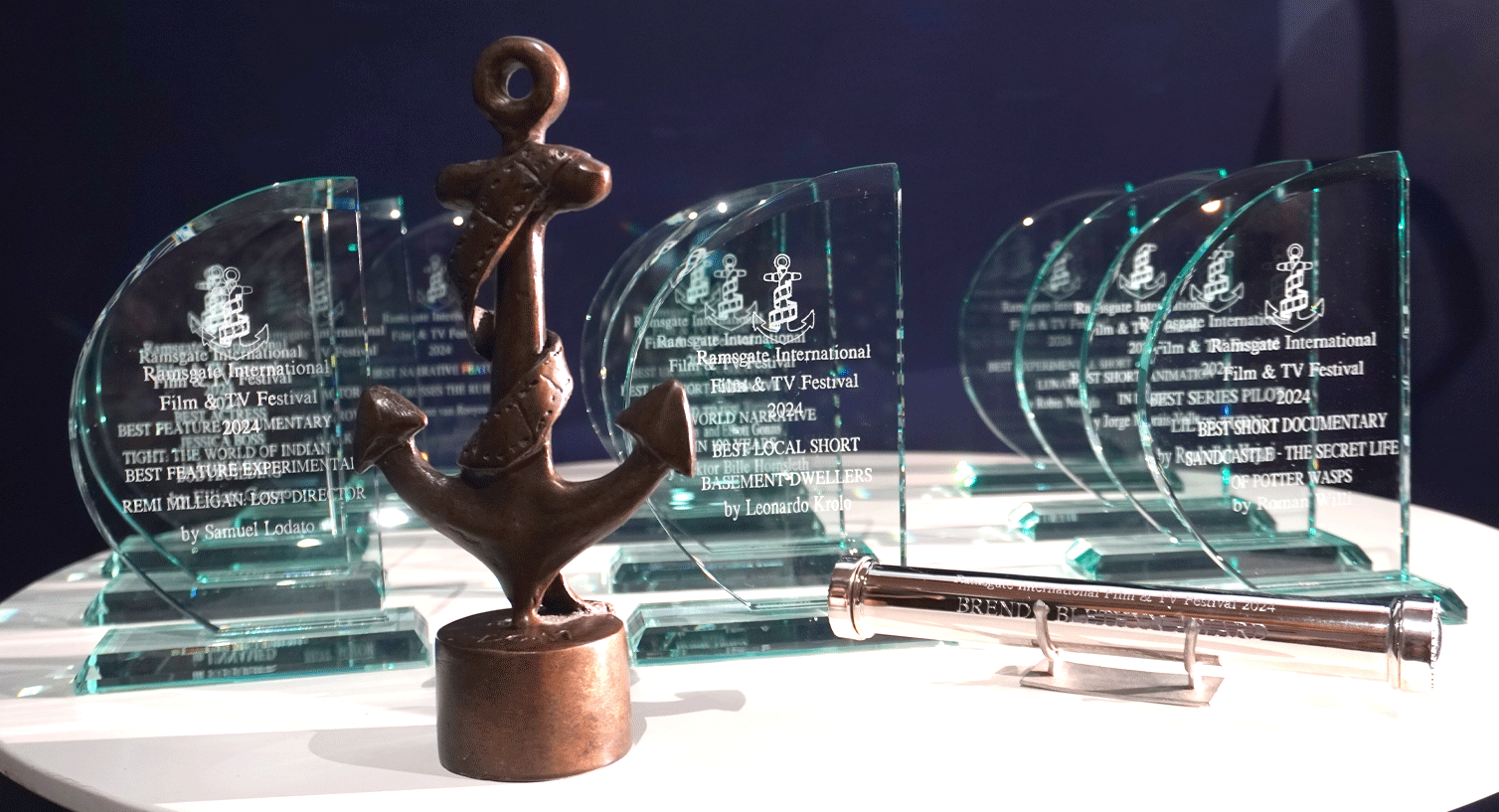
The Awards Ceremony will take place on Sunday 25th June, with the presentation of the Anchor Award a solid bronze award designed by the late Dominic Grant to the Best of the Fest and other prizes for all winners. Once again, Oscar nominated and BAFTA winning actress and the festival’s Patron Brenda Blethyn will judge the Best First Film. Judges this year include notably, acclaimed actor/director David Leon, Jane Sanger and Baz Russell.
The festival is starting on a new journey in partnership with the Kent Film Foundation. That will enable the offering of more events and courses for the most deprived youth of our community. Curation of the festival shall be in partnership with Violet Pictures, who have successfully curated the Folkestone Documentary Festival now in its third year, a partnership that shall lead to all year-round screenings.
It is proud to include in its main Short Narratives in competition, the BBC commissioned short film THE BODY WITH NO FACE, by disabled filmmaker Owen Tooth.
The programme is completed by a series of industry talks encouraging new vocations amongst young people.
The Ramsgate International Film & TV Festival is THE festival where diversity and inclusion are a matter of fact.
The majority of events are PAY WHAT YOU CAN tickets in order to allow all levels of society to access cinema and culture.
Ahead of the 5th Annual Ramsgate International Film and Television Festival, Spanish filmmaker Jonas Benarroch is in conversation with Olwen Collins to promote his documentary feature Transition and Happiness. The film will preview on the 4th June at 16:00 UTC on the Ramsgate Digital Cinema.
OC: For someone who hasn’t seen Transition and Happiness, what is the film about?
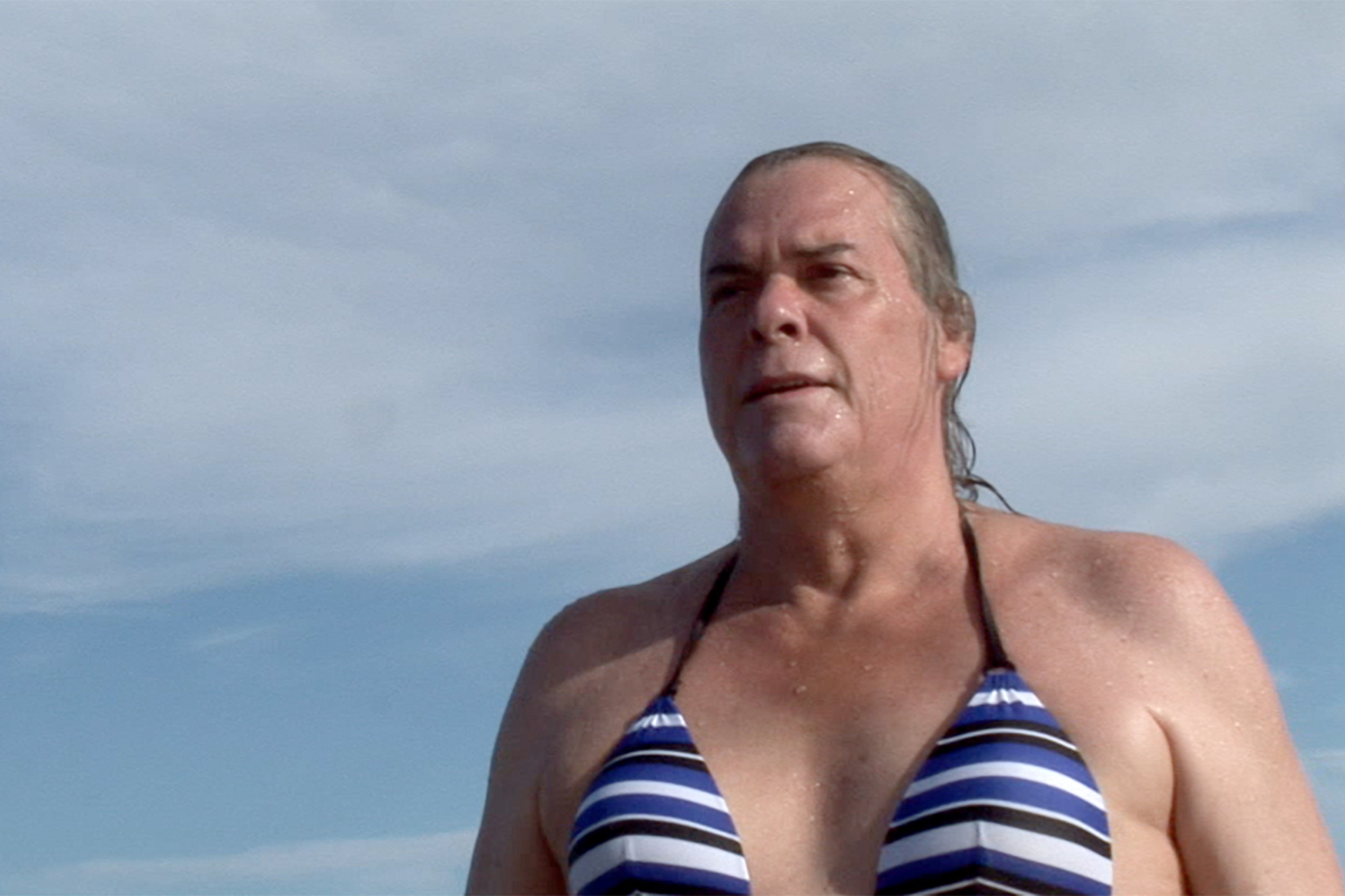
JB: It´s about an older women who, before coming out, had behaved as a typical macho for many decades. And after coming out, despite having undergone genital reassignment surgery, she makes little effort to appear feminine, which is quite unusual in the female transsexual community, who normally strive to have “passing”, to be invisible as transsexual women. It’s also about her endeavour to be recognised as a full woman in all social and political spheres.
OC: You start off the documentary by explaining that you knew Rosa María from school, when she was known as Ramón. How did the pair of you reconnect and what led you to embark on the project?
JB: It was at a reunion dinner of former students of that school. Rosa María appeared with long hair and painted nails as the only recognisable feminine features; her physical appearance and her voice were strongly masculine and she did not hide them at all; on the contrary, she seemed to delight in this conflict of appearances, claiming that appearances means nothing. That’s what appealed to me the most: she defied any preconceived gender convention.
By the the time we reconnected, Rosa María was about to go to Thailand to have surgery, which for her was a true rite of passage. At that time I didn’t have much knowledge of gender theory (I had only read Judith Butler’s “Gender Trouble”), and I was also involved in other projects, but in my mind I decided that I wanted to do something with Rosa María, a documentary, yes. However I had to find a way to get into it. I started reading about the subject and, most of all, I started asking myself some questions. Meanwhile I realised that Rosa María’s personality and personal experience were much more powerful and inspiring than Queer theories going around. So I decided to put aside any theoretical work.
OC: I found the piece refreshingly humorous, from the music and narration at the very beginning to the often crass humour and dirty jokes shared between Rosa and her friend Fina. In many ways, the tone seems quite different from what we’ve come to expect when LGBTQI+ and specifically Trans people are portrayed in the mainstream media. Was this a conscious decision? And how does this enlighten the work?
JB: Thanks for highlighting it. It was an absolutely conscious decision, not just while I was searching for the tone and focus of the documentary, but throughout the whole production process. From the preliminary questions I asked myself to the moment of composing the original musical themes (a kind of blue grass by Nick Haughton and Susie Jones), I have strived to achieve something different from what is expected of a gender-themed film. Choosing Rosa María’s life as the centre of the documentary is undoubtedly the first decision in this sense, not only because of her appearance, but because she is not a marginalised person and has an absolutely normal job and family. But I also struggled to find a more personal aesthetic and narrative – personal and “raw” at the same time. Maybe I was led in this direction because there is a saturation of movies about transsexuality. I ran into this problem early on: producers and distributors refused to participate in my documentary for this reason. I had no choice but to make a film different from what was expected.
My goal was not to make a film about transsexuality, but to enter the intimate psychological space, and also explore the social space, of a big character who is also a specific case of transsexuality. In short, put personality, not transsexuality, to the fore. Humour necessarily had to be throughout the film, because Rosa María has a very provocative sense of humour and this is one of the things I like the most about her. If she hadn’t had this sense of humour, I’m not sure I would have been so motivated to make this documentary and invest more than two years of my productive life.
OC: During the filming, you seem to be there every step in the way. For example, when we see Fina in the hospital after her gender reassignment surgery. You capture many special moments. How was the filming process for you?
JB: When I realised that it would be difficult to find a production company to get involved in my project, for the reasons I explained before, I decided to make the documentary as freely as possible. That means, on the one hand, not being tied to a production schedule and working organically without a script, without a narrative structure, only from the themes and questions that I wanted to investigate and some visual notes and possible scenes that came to mind, and build the film little by little, while editing; and on the other hand, self-produce my film with my own financial resources so as not to have to apply to public funds. Fortunately, I have very generous friends who have helped me when I have needed it.
In short, I have tried to create production conditions that have allowed me to follow the process guided mainly by intuition. I also believe that reducing the script and technical equipment to a minimum has allowed my protagonists to relax and have a more confident attitude with me, particularly when it came to talking about intimate things.. For example, I would say: “Rosa, let me go along with you to see Fina at the hospital” or “Rosa, invite your trans friends and make them a delicious meal” or “Hey Rosa, hey Fina, when are we going to the beach?” . And on the agreed day, I would come with my camera, my digital sound recorder, and a few questions I wanted to ask. The rest was utter improvisation. Of course, this also carries a lot of uncertainty.
OC: Nearer the culmination of the film, we enter a somewhat more explicitly political narrative at a meeting of Trans * Baix Power, the Sant Feliu association that Rosa and Fina are President and Secretary of respectively. The hugely successful event is attended by the Councilor for Women’s and Equality Policy, Lídia Muñoz as well as a representative of the Generalitat (the system of Catalan autonomous government). It feels as if your film is right at the edge of this changing tide in Spain regarding attitudes towards LGBTQI+ people. What are your hopes for Spain in the future?
JB: The explicitly political question is not exactly what it seems; it is like a setting, a social atmosphere. My main interest was to make a psychological portrait. When I started filming, Rosa María and Fina were struggling for their recognition as women, but they were not doing political activism in the strict sense. If institutional political scenes appear in Transition and Happiness, it is because they are materializations of Rosa María´s and Fina’s determination to achieve full social and political recognition after having founded Trans * Baix Power association. It is only because that endeavour makes my protagonists undertake an institutional path that my documentary seems to drift towards a more explicitly political narrative.
It is true that I was interested in showing the political context of absolute acceptance. Without that, I think Rosa and Fina would not have been able to get that far. But in my film there is no political debate as such, only statements and applause. It is not that I wanted to frame only applause and acceptance, it is that in all the institutional events in which I shot there was a situation of full acceptance; even by right-wing parties, such as PP, which is not in favour of free abortion, at least for women under 18. But all this take place in the municipal political sphere of a small city on the outskirts of Barcelona. I don’t know what it would have been like in a large Spanish municipality. The main debate in Spain, as in many countries, does not come from the right but from feminism, and also from lesbian feminism, which argues that behind the confusion between gender and sex there is an attack on the feminist struggle for the rights of women based on sex.
OC: Do you have any further plans for distribution of the film? Maybe in an educational context?
JB: I’ve already had a “kind” rejection coming from this context, I´m afraid that my protagonists are too “binary” for Transition and Happiness to be easily accepted in an educational context in which the idea of the non-binary is quite hegemonic. For the moment, some municipalities are interested in programming the film. I am a bit lost. Ive not faced serious setbacks from having worked outside the film industry so far. It may be here where intuition collides with reality.
OC: What’s next for you, Jonas?
I am already working on another film. It is about a woman who has an incurable disease and faces death with great courage. This documentary will not be funny.
AN. Please tell us about the film in your own words.
AN. Tell us about the style of the film; the use of subtitles, symbolism, voice-over and the main protagonist and the inspiration behind this style and tone.
AN. What was the filming process like?
AN. Tell us about the filming location, and why you decided to use it.
AN. Leandro plays the protagonist, Joseph, and is also a co-director on the project. What can you tell us about this experience of working behind and in front of the camera and your professional relationship with Jonathan?
AN. Tell us about your up-coming projects, what’s next for you both?
[vc_row][vc_column][vc_column_text]S.L. What is the film about?
Shin (P): It’s a story about young skaters. Hisashi (D): Yes, a great adventure of the real skaters in Tokyo
O.C. What was the inspiration behind the film?
Shin (P): It’s the episodic stories I used to write in my blog. Hisashi (D): SHIN OKADA!! No doubt.
O.C. How was the filming process?
Shin (P): I had absolutely no clue at first but the whole process was nothing but stimulating and valuable experience for me. Hisashi (D): Super challenging but super fun. I think we all stood strong after all..Haha.
O.C. Your main cast, Rei Daisaku Hidaka, Takashi Matsumoto, Ryo Sagawa and Kaito Nakata, work extremely well together. Was it difficult to find actors that worked together so naturally, who could also skate?
Shin (P): I knew them all in person originally as I tried to reach out to particularly popular young skaters from my community in Japan. The balance and the chemistry among the four characters were crucial. The reality of the young skaters here now is that you see Chinese, African American and mixed kids. So we took more careful attention to achieving the casting as real as possible. Those four are not actors so didn’t know how to perform on camera but I think we could cast the very ones that stood out its individual characters as skaters. Hisashi (D): The most challenging casting was the delivery guy, wasn’t it? Shin (P): It was you. Haha Hisashi (D): The balance between the cast was all Shin’s doing. I truly feel that those four kids of Crasher was the best find.
O.C. Did the actors you cast affect the way you thought about the characters in Stand Strong?
Shin (P): Both in a good way and not so good way, I think. Like coming to set way passed the call time, haha. They are skaters and rather free-spirited. One moment they are doing things as directed and the next they perform much better than anyone had expected. I imagine the director would have more challenging time trying to get the shots he wanted while navigating such fluid circumstances. Hisashi (D): Yes, because they were not actors I gave them a keyword of each shot instead of locked dialogues so they could form their own words outputting from them naturally. I conducted this method the entire shoot.
O.C. The skate tricks and stunts in the film are very impressive. Did the cast do the tricks and stunts themselves?
Shin (P): The cast did it themselves. All the skaters you see in the film are real skater, and except for the Crasher members, they are all real skaters by their own names. As they are all remarkable, we didn’t want to bring stuntmen to keep it real which I think ultimately brought an authentic tone for the picture. Hisashi (D): He is absolutely right they were all outstanding. Depending on the conditions of the skaters on the shoot days, they made many attempts and fell over countlessly. For me, those behind the scenes were in fact the most inspirational.
O.C. The end of the film teases an exciting future for team Crasher. Have you considered making a sequel to Stand Strong to explore the story further?
Shin (P): Middle-aged Crasher…lol! Abandoned by their sponsors, or Chen the crappy skater becomes the most successful businessman…showing what happens after they went through various changes and stepped out of their staking life. We are seeking financiers for this sequel feature! Hisashi (D): I think it’s more interesting that the audience would imagine how exciting the Crasher’s future is going to look. Still, I personally would like to see how it turns out in 30 years.
O.C. You have directed music videos, adverts and TV, but Stand Strong is your first feature film. Was it a challenge to jump from making shorter projects, to making a film?
Hisashi (D): It is a feature length film, but this time I tried to construct it by weaving a series of short chapters so in a sense it has become something like a compilation of those music videos or adverts work I have ever done.
O.C. What attracted you to making this project?
Shin (P): One day I reunited with Hisashi who I used to skate together. One of us became a pro skater, and the other became a filmmaker. We started to talk how fun it would be to create something together, and naturally the skateboarding, where we came from as a subject came to our mind. Hisashi (D): What he said! Reuniting with Shin truly made an impact for me. Also, the reason I pursued my filmmaking career has at least to do with that I used to skate as young.
O.C. What are you working on now?
Shin (P): Crasher in 30 years! Please support us! Haha. The title is to be Still Stand Strong!!! Hisashi (D): I hope to keep creating various contents – both fiction and documentary. Currently developing this new documentary project! I am very excited!


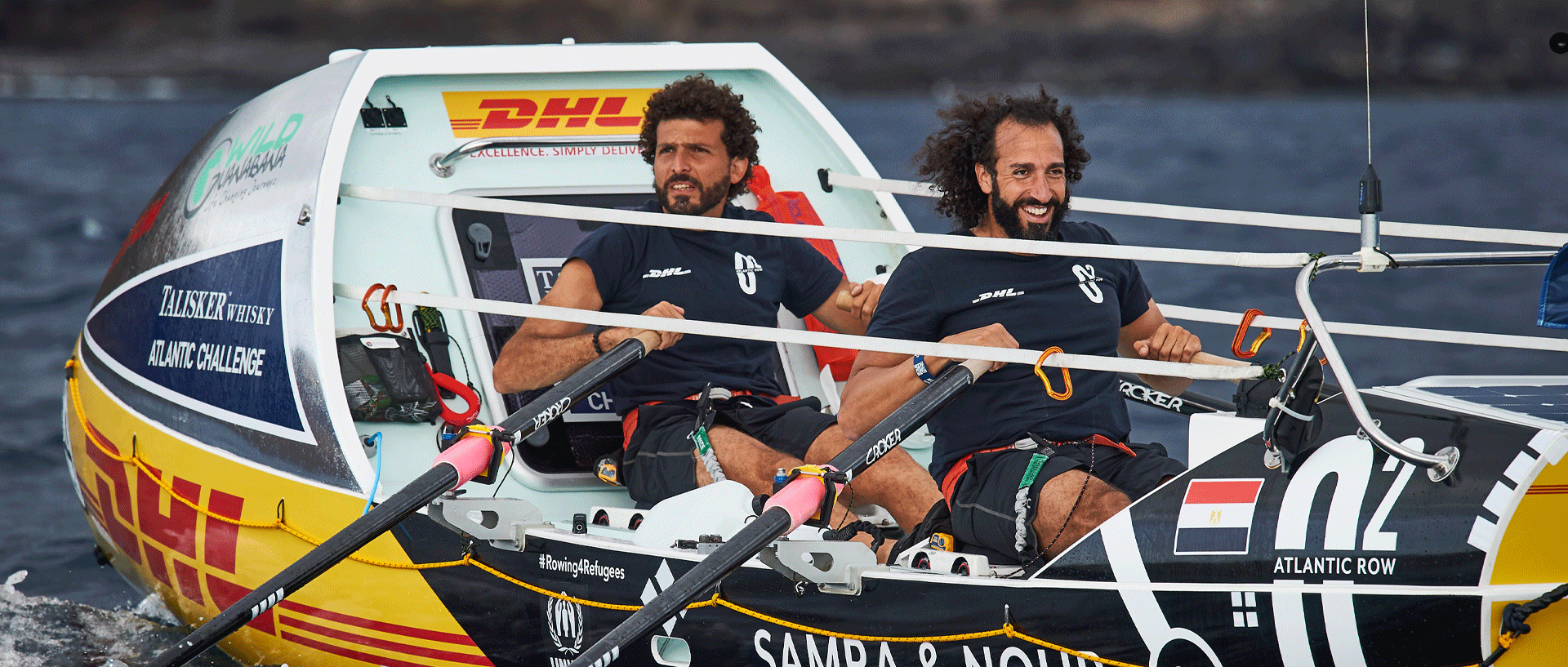

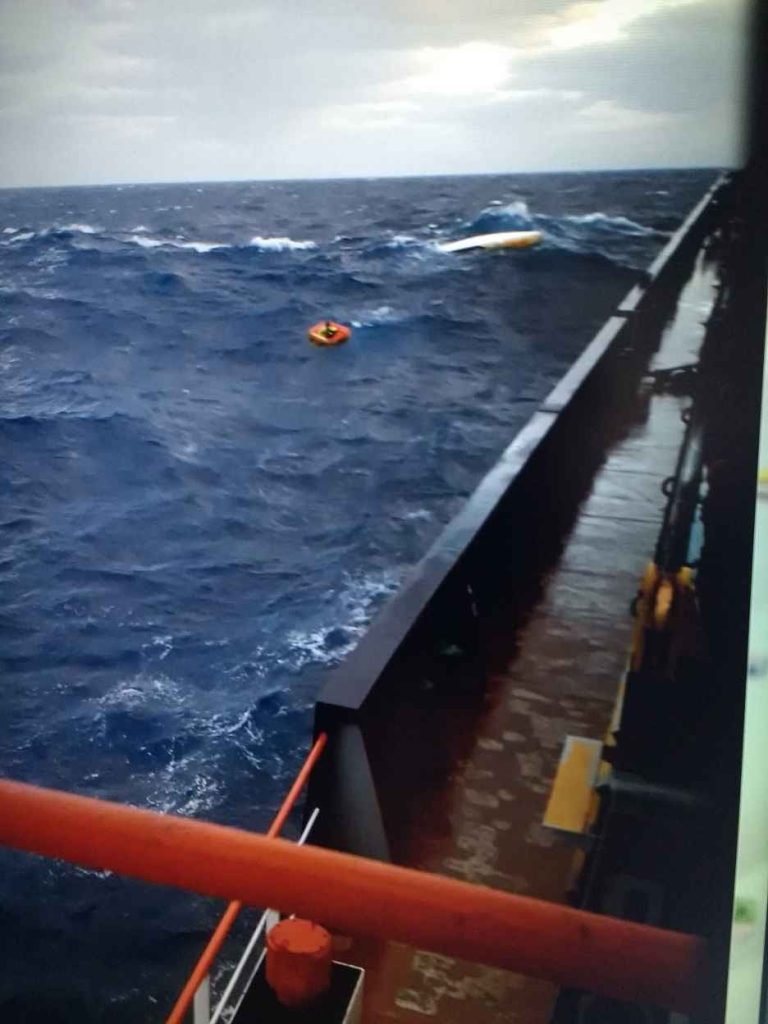 Beyond the Raging Sea is an action-adventure documentary about extraordinary journeys, harrowing ordeals and transformational discoveries. Omar Samra climbed the highest peak on every continent, was the first Egyptian to climb to the top of Mount Everest, skied to both poles but he needed a new challenge.
Omar Nour, Egypt’s first professional tri-athlete was training his Olympic debut at the Rio Olympic Games in 2016, when injury struck and ended his bid.
Samra called Nour with a life-changing idea – “how about we row the Atlantic Ocean?” WIthin a matter of hours, the two were registered to compete in the world’s toughest rowing race: a 3,000 nautical mile unsupported row across the mighty Atlantic Ocean in a 7m x 1.8m rowing boat. After two years of intense training, Team O2 (as they are affectionately known) headed West from the Canary Islands towards Antigua, dedicating their high-profile endeavour to the plight of refugees worldwide forced to cross dangerous bodies of water to find safe refuge.
Although the duo was prepared for the perilous crossing, the raging ocean waters and hard conditions had a different opinion, turning their adventure into a disaster that almost took their own life.
Screening
30 June 2024 at 18.00
RAMSGATE COMMUNITY CINEMA
64 High Street Ramsgate CT11 9RS
Tickets
Beyond the Raging Sea is an action-adventure documentary about extraordinary journeys, harrowing ordeals and transformational discoveries. Omar Samra climbed the highest peak on every continent, was the first Egyptian to climb to the top of Mount Everest, skied to both poles but he needed a new challenge.
Omar Nour, Egypt’s first professional tri-athlete was training his Olympic debut at the Rio Olympic Games in 2016, when injury struck and ended his bid.
Samra called Nour with a life-changing idea – “how about we row the Atlantic Ocean?” WIthin a matter of hours, the two were registered to compete in the world’s toughest rowing race: a 3,000 nautical mile unsupported row across the mighty Atlantic Ocean in a 7m x 1.8m rowing boat. After two years of intense training, Team O2 (as they are affectionately known) headed West from the Canary Islands towards Antigua, dedicating their high-profile endeavour to the plight of refugees worldwide forced to cross dangerous bodies of water to find safe refuge.
Although the duo was prepared for the perilous crossing, the raging ocean waters and hard conditions had a different opinion, turning their adventure into a disaster that almost took their own life.
Screening
30 June 2024 at 18.00
RAMSGATE COMMUNITY CINEMA
64 High Street Ramsgate CT11 9RS
Tickets

 Gilles Legardinier is better known as a prolific French writer, who penned several best-selling novels. His 2009 novel, L’exil des anges, received the 2010


 OC: For someone who hasn’t seen Transition and Happiness, what is the film about?
 AN. Please tell us about the film in your own words.
 S.L. What is the film about?